
Categories
Home Buying Advice, Home Buying Tips, Real Estate Market Trends, Real Estate Market Updates, Real Estate InsightsPublished February 3, 2026
Spring Home Prices Rise Fast: Why Timing Matters for Buyers

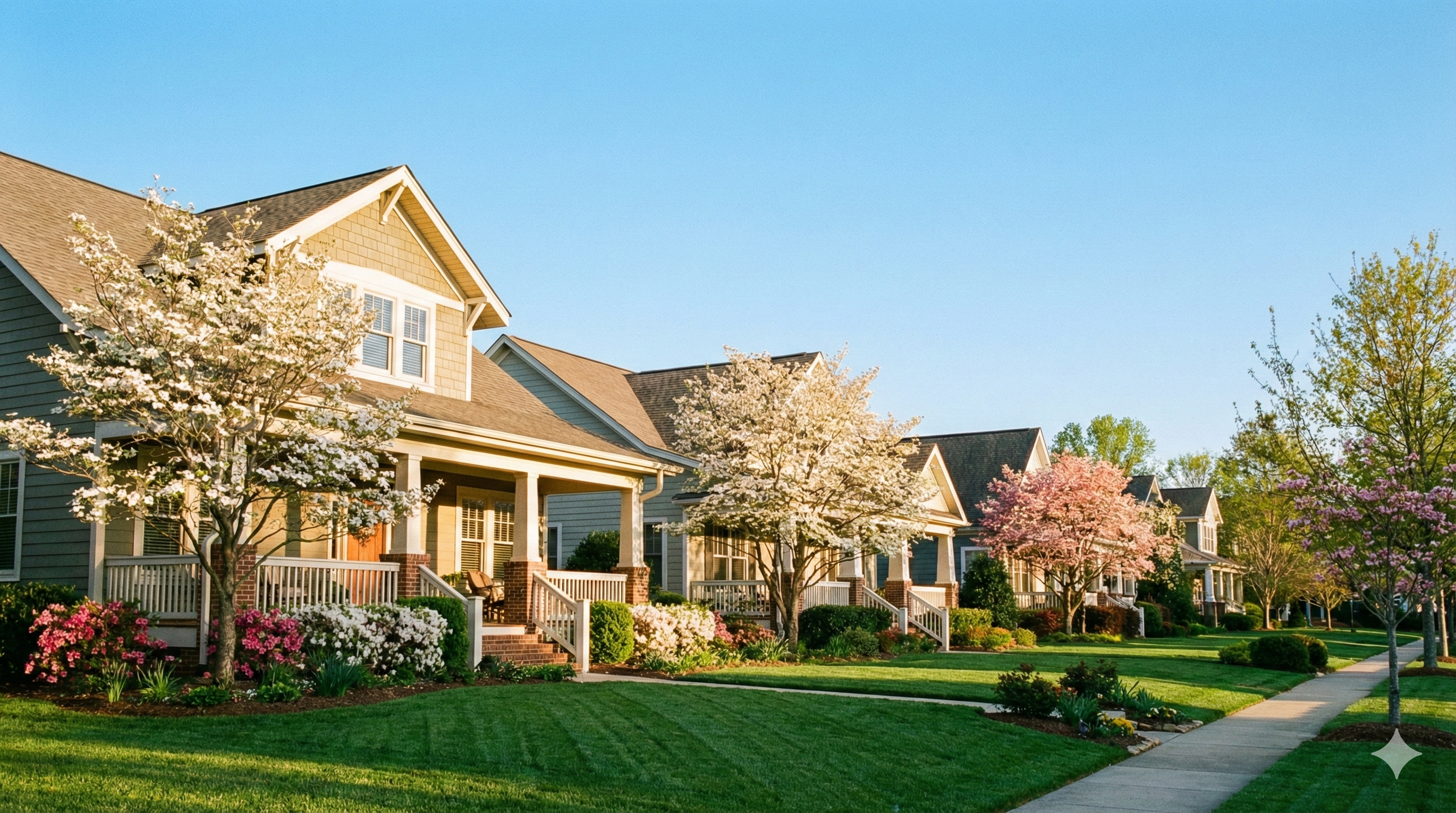
Every year, spring home prices follow a clear pattern. Prices usually start lower in the winter months. Then, as the weather warms up, the housing market heats up too. More buyers jump back into their home search, and that extra demand pushes prices higher.
Because of this pattern, timing can make a big difference in how much you pay for a home.
The Seasonal Pattern in Home Prices
Home prices do not move the same way all year. Instead, they rise and fall in a cycle. During late fall and winter, fewer people move. Holidays, cold weather, and school schedules slow things down. As a result, sellers often feel more flexible, and buyers face less competition.
However, once spring arrives, everything changes.
Families want to move before the next school year. The weather makes house hunting easier. At the same time, more homes hit the market. Even so, the number of buyers usually grows faster than the number of homes for sale. That imbalance leads to stronger competition and rising prices.
In fact, historical data shows that a large share of yearly price growth often happens between April and June. So, while homes may seem plentiful in spring, prices often climb quickly during this time.

Why Spring Brings Higher Prices
Several factors push spring home prices higher.
First, more buyers enter the market. Many people pause their search during winter. Then they restart in spring, which creates a sudden jump in demand.
Second, emotions play a bigger role. Warmer weather and blooming neighborhoods make homes feel more inviting. Buyers picture summer barbecues and kids playing outside. Because of that excitement, some buyers rush their decisions and offer more money.
Third, sellers gain confidence. When they see homes selling fast, they feel less pressure to lower their price. In multiple-offer situations, buyers often bid against each other. That competition drives prices up even more.
What This Means for Buyers Right Now
If you plan to buy this year, your timing matters more than you might think.
Right now, many areas still offer steady interest rates, available inventory, and room to negotiate. Buyers can ask for closing cost help, repairs, or price reductions. Sellers may agree, especially if their home has sat on the market for a while.
However, as spring demand grows, that negotiating power often shrinks. More buyers compete for the same homes. Sellers receive stronger offers and fewer requests for concessions. As a result, buyers may pay more even if mortgage rates stay the same.
In other words, waiting for the “perfect” time can backfire. While people hope for lower rates or more listings, prices may rise in the meantime. That increase can cost more over time than a small change in interest rates.
The Cost of Waiting
Let’s say a home costs $350,000 in late winter. If prices rise just 5 percent during the spring surge, that same home could cost $367,500 a few months later. That difference affects your down payment, monthly payment, and long-term equity.
Meanwhile, more competition can also limit your choices. You may need to act faster, waive certain requests, or lose out on homes you love. Therefore, buying before the busiest part of the season can reduce stress and give you more control.
Of course, every market is different. Still, the overall trend of spring home prices rising faster than other times of year holds true in many places.
How to Stay Ahead of the Spring Market
Preparation gives you a strong advantage.
Start by talking with a lender to understand your budget. Then, connect with a real estate professional who knows your local market. Together, you can watch inventory, track price trends, and move quickly when the right home appears.
Also, define your must-haves and nice-to-haves early. That clarity helps you make confident decisions before competition increases.
Final Thoughts on Spring Home Prices
The housing market follows seasonal patterns, and spring home prices often rise faster than many buyers expect. Because demand grows quickly, waiting can mean paying more and competing harder.
If buying sits on your radar this year, now is a smart time to explore your options. With the right plan and guidance, you can make a move before spring momentum pushes prices even higher.

Premier Property Solutions Team
| Premier Property Solutions | Charlotte, NC
or another way