
Categories
Neighborhood & Guides, Neighborhood Guides, Seasonal GuidePublished January 21, 2026
A Complete Guide to Winter Storm Preparedness for Your Home

Winter weather can be unpredictable and dangerous. If you live in areas like Charlotte, North Carolina, ice storms are a serious threat that must be taken seriously. To stay safe, winter storm preparedness is required before the bad weather hits. This guide is designed to help families get ready for freezing temperatures, power outages, and icy roads. By following these steps, your home can be protected and your family will be kept safe.
Understanding the Weather Risks
In the Southeastern United States, snow is not always the biggest problem. Instead, freezing rain is often considered the most damaging type of winter weather. This happens because of a weather pattern called "Cold Air Damming," where cold air gets trapped near the ground. When rain falls into this cold air, it turns into ice as soon as it touches trees and power lines.
This ice is heavy. Just half an inch of ice can add 500 pounds of weight to power lines, which can cause them to break. Because of this risk, winter storm preparedness must be taken seriously.
Protecting Your Home’s Heat
When the power goes out, heat is lost quickly. However, steps can be taken to keep the warm air inside.
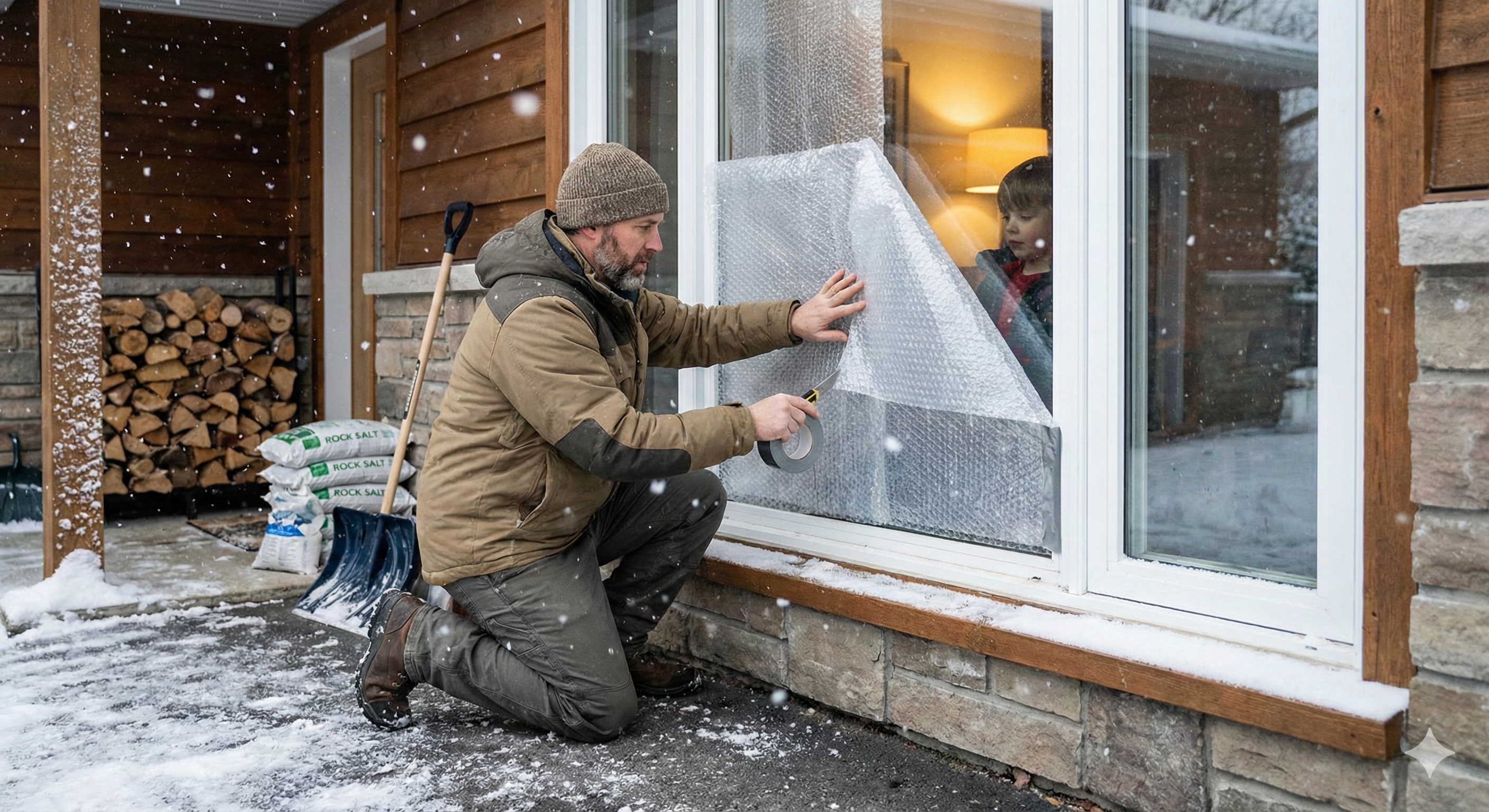
- Window Insulation: Windows are often where most heat escapes. A simple trick is recommended: bubble wrap can be placed on windows. First, the glass is misted with water. Then, the bubble wrap is pressed against the wet glass. The water holds it in place, and the air bubbles help keep the cold out.
- Curtains: Thick curtains should be used. During the day, they are opened to let sunlight in. At night, they are closed tightly to trap the heat inside.
- Drafts: Cracks under doors and windows can be sealed. "Draft snakes" or rolled-up towels are placed on window sills to block cold air.
Taking Care of Heating Systems
Many homes use heat pumps. These machines can struggle in freezing rain. If the outdoor unit gets covered in ice, it cannot work properly. The ice should be melted with warm water. Sharp objects like picks or shovels must never be used to chip the ice away, as the machine can be easily damaged.
Preventing Frozen Pipes
When water freezes inside pipes, it expands and can cause the pipes to burst. This can cause a lot of damage.
- Drip Faucets: When it gets very cold (below 20°F), faucets should be allowed to drip slowly. This keeps the water moving and relieves pressure.
- Open Cabinets: Cabinet doors under sinks are opened so that warm air from the room can reach the pipes.
- Garden Hoses: All garden hoses must be disconnected. If they are left attached, water can freeze back into the house and break the pipes inside the walls.
Building a Supply Kit
It was shown by past storms that power can be out for more than a week. Therefore, a supply kit for 7 to 10 days is recommended.
- Water: One gallon of water per person, per day, should be stored. The bathtub can be scrubbed and filled with water to be used for flushing toilets.
- Food: Foods that do not need cooking are best. Items like peanut butter, crackers, canned meat, and dried fruit are suggested. A manual can opener must be included in the kit.
- Medicine: A 7-day supply of daily medications should be kept on hand since pharmacies might be closed.
Staying Warm Without Power
If the heat goes out, the whole house cannot be kept warm. Instead, a "warm room" strategy is used.
- Pick One Room: A small room with few windows is chosen. The whole family and pets are moved into this room.
- Build a Fort: A camping tent can be set up inside the room. Sleeping bags are placed inside the tent. This creates extra layers to trap body heat.
- Layer Clothing: Clothes should be worn in layers. A base layer keeps skin dry, a middle layer like a sweater keeps heat in, and an outer layer blocks wind. Hats should always be worn because heat is lost through the head.
Safety First: Generators and Carbon Monoxide
Generators are helpful, but they can be dangerous if used incorrectly. A generator must be placed at least 20 feet away from the house. It should never be used in a garage or on a porch.
Managing Debris After the Storm
Once the storm is over, cleanup begins. Debris should be separated into different piles at the curb. For example, tree branches are kept separate from household trash and broken appliances. This helps the city collect the waste faster.
Conclusion
Winter weather can be frightening, but panic is avoided when a plan is in place. By insulating windows, protecting pipes, and stocking up on supplies, a difficult situation is made manageable. Remember, true safety comes from winter storm preparedness. In case the weather gets better, here are some events coming up this weekend.

Premier Property Solutions Team
| Premier Property Solutions | Charlotte, NC
or another way